PORCELAIN & VITREOUS ENAMEL
The Perfect Fusion of Glass and Metal
Since ancient times, civilisations have mastered enamel to enhance jewellery, decorative artefacts, and architectural elements with permanent light and colour. Thanks to the extraordinary resistance of enamel, these historical masterpieces have preserved the brilliance of their finish untouched across the centuries.
How Porcelain Enamel Is Born
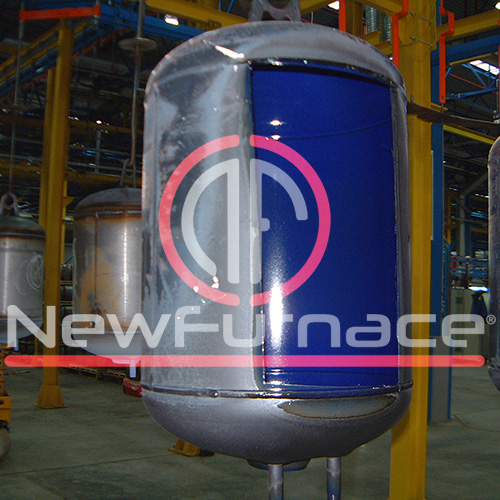
Porcelain (vitreous) enamel is an inorganic, glass-like protective coating bonded to metal substrates for functional, protective, and aesthetic purposes. Following application onto the substrate, the component undergoes a high-temperature vitrification firing cycle (>800°C). This thermal process triggers deep physico-chemical reactions between the surfaces, creating an entirely new composite material. It brings together the superior hygiene and surface hardness of glass with the structural strength, formability, and lightness of metal.
Seldom has the coupling of two such distinct materials delivered such brilliant and versatile performance, continuously expanding into demanding industrial, domestic, and architectural applications.
Outstanding Material Properties
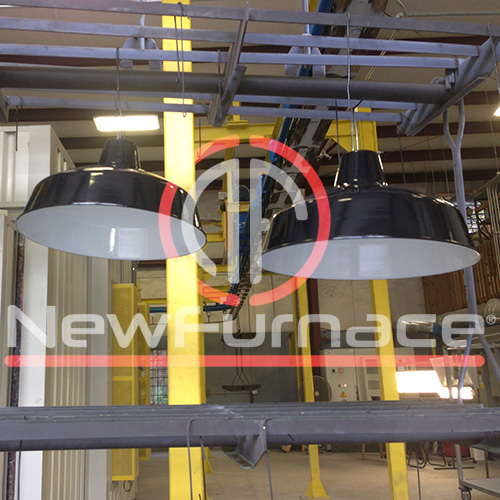
The chemical formulation of vitreous enamel is engineered for the host substrate, ensuring permanent durability under the most demanding thermal, chemical, and mechanical conditions.
APPLICATION FIELDS
From Heavy Industry to Modern Living
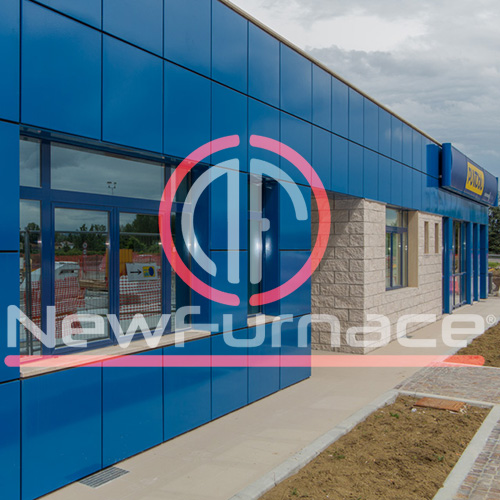
On an industrial scale, vitreous enamel serves as the ultimate barrier coating for ferrous substrates (sheet steel and cast iron) that are otherwise prone to rapid corrosion and rust. In recent years, technological advancements have broadened applications to less corrodible metals, including aluminum, copper, and stainless steel, reinforcing its aesthetic, sanitary, and functional value.